


| Issue |
Sci. Tech. Energ. Transition
Volume 81, 2026
|
|
|---|---|---|
| Article Number | 20 | |
| Number of page(s) | 25 | |
| DOI | https://doi.org/10.2516/stet/2026025 | |
| Published online | 03 August 2026 | |
Review Article
Hybrid renewable energies for rural/urban electrification in emerging economies: A bibliometric review
1
Department of Electrical and Information Engineering, Universitas Gadjah Mada, Indonesia
2
Department of Electrical Engineering, Universitas Papua, Indonesia
3
Center for Research on Microgrids (CROM) AAU Energy, Aalborg University 9220 Aalborg, Denmark
* Corresponding author: This email address is being protected from spambots. You need JavaScript enabled to view it.
Received:
1
July
2024
Accepted:
18
June
2026
Abstract
Limited economic viability, energy scarcity, rising power costs, geographical limits, and infrastructural issues are the main challenges of regional electrical network growth. Though intermittent, renewable energy is clean, sustainable, and infinite. Off-grid or grid-connected hybrid renewable energy solutions solve these issues. This article provides a comprehensive analysis of the large integration of renewable energy systems in emerging regions using bibliometrics. It summarizes scientific advances and trends from 2014 to 2023 using statistical analysis and publication features. Scopus yielded 1222 bibliographic entries for this analysis. This review looks at the number of publications, the most prolific authors, citations, country productivity, country-author collaboration, and journals that publish hybrid renewable energy system articles in poor countries. The proposed bibliometric study will guide end-users in relation to system planning, sizing, and siting for the deployment of future renewable energy systems. The widespread use of keywords related to “renewable energy,” “hybrid renewable energy system,” “microgrids,” and “rural electrification” in scientific journals highlights the significance of conducting collaborative studies in these topics.
Key words: Bibliometrix analysis / Hybrid renewable energy systems / Developing area / Microgrids / Renewable energy / Homer
© The Author(s), published by EDP Sciences, 2026
 This is an Open Access article distributed under the terms of the Creative Commons Attribution License (https://creativecommons.org/licenses/by/4.0), which permits unrestricted use, distribution, and reproduction in any medium, provided the original work is properly cited.
1 Introduction
Global energy consumption rises annually with economic growth. Energy and economic development are linked by two factors. Economic progress depends on energy availability and accessibility. Second, economic development conditions determine energy use and efficiency [1, 2]. Some people still lack electricity. The seventh SDG goal – to provide everyone with modern, reliable, and affordable energy services – is failing. Around 675 million people lack power and 2.3 billion need green cooking in 2021. Global patterns suggest a similar path until 2030 [3]. Over 80% of energy comes from fossil fuels like coal, oil, and natural gas, which continues to be substantial and has been a major driving force behind the economy [4]. People who live in remote regions get their electricity from fossil fuels like diesel and kerosene.
This energy has many limitations, including high fuel costs, long transit distances, high maintenance and operational costs, and environmental damage [5]. Energy usage pollutes air, water, thermal, and solid waste, but climate change is the worst. The main source of urban air pollution is fossil fuels [6]. Nevertheless, global fossil fuel sources are rapidly decreasing. Long-term, intensive use of non-renewable energy sources leads to air pollution, climate change, and irreversible degradation of resources. Climate change threatens wellness, availability of food, ecosystems, revenue growth, and social equilibrium [7].
Increasing green energy consumption is crucial to fixing traditional energy sources. Wind, water, biofuel, geothermal, and tidal energy are renewable [8, 9]. Compared to fossil energy, renewable energy is abundant and distributed and does not emit greenhouse gases [10, 11]. Renewable energy diversifies energy sources and reduces fossil fuel use, improving energy security. Renewable energy should assist sustainable development by reducing energy constraints and improving public health [12, 13].
The renewable energy sources, as depicted in Figure 1, have various obstacles including fluctuations in availability, restricted storage capacity, and environmental impacts [14, 15]. Solar and wind energy are weather-dependent and intermittent. Energy sources that require large areas or water supplies harm ecosystems and the environment. A hybrid renewable energy system can solve this by merging and complementing energy sources or technologies [16–18]. Its stability, low emissions, affordability, and ability to combine the virtues of multiple energy sources while minimizing their weaknesses make this system attractive. A hybrid renewable energy system integrates wind turbines, solar panels, water turbines, diesel generators, and batteries [19, 20]. Since expanding the central electricity grid to remote areas with low population density is financially and practically not feasible, hybrid energy generation systems are an attractive solution to facilitate the provision of power in geographically isolated regions [21].
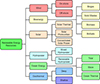 |
Figure 1 Types of renewable energy sources. |
Figure 2 depicts the energy system configuration including conventional, hydro, PV, battery banks, charge controllers, two-way converters, principal loads, and dummy loads. The primary power source is derived from hydro and PV using a bidirectional converter. The surplus power generated by the hydroelectric system or photovoltaic (PV) system, surpassing the load demands, is stored in the battery bank until the battery reaches its maximum charge capacity. If there is extra power after the batteries are fully charged, it will be used to power “dummy loads,” like cooling and heating loads, water pumping, and emergency lights batteries. Once power needs exceed power produced, the battery compensates until the minimum limit is reached. Whenever battery storage runs out and HRES cannot meet load demands, a diesel generator is employed.
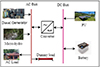 |
Figure 2 Schematic diagram of the hybrid energy system. |
Energy sources can output AC or DC. Solar power plants produce DC output; thus, inverters convert it to AC or vice versa depending on the load. Many academics have undertaken research associated with hybrid systems of clean energy, such as the PV-Diesel hybrid system [22–24], PV-Diesel-Hydro [25, 26], PV-Hydro [27–29], PVWind-Diesel [30–32]. Renewable energy hybrid systems can power large industrial loads, remote communities, microgrids, and grid connectivity. The hybrid system is capable of operating in both off-grid [33–36] and on-grid modes [37–39]. Researchers struggle to keep up with hybrid system research from many angles.
The purpose of this article is to assist researchers working on renewable energy hybrid systems, with a particular focus on rural and underdeveloped regions. Bibliometric analysis is a quantitative approach that employs statistical methods to investigate extensive compilations of scientific publications and their patterns of citation. This can aid scientists in comprehending the evolution, patterns, cooperation, framework, and influence of a specific domain of knowledge. To perform bibliometric analysis, researchers must employ software that can create and analyze bibliometric networks based on various interactions between publications, authors, journals, and institutions.
The key objectives of this study are summarized as follows (a) technical assessment of renewable energy hybrid systems, (b) identify field contributors such as original sources, authors, countries, and research institutions, (c) explores current trends within the field of renewable energy hybrid systems, (d) demonstrates the progress and development of study findings through time, and (e) investigate how renewable energy relates to using hybrid renewable energy systems in underdeveloped and remote places.
The rest of the paper is organized as follows: Section 2 introduces the methodology, including the data source, retrieval strategy, and bibliometrix methods. Section 3 presents the details of the results and analysis. Furthermore, Section 4 presents the conclusions.
2 Research method and data collection
2.1 Conceptual framework
In the field of bibliometrics, mathematical and statistical techniques are employed to measure and analyze the output, growth, maturation, and consumption of scientific publications. It is frequently employed to evaluate and study the efficiency of researchers in many research domains. Performance analysis and science mapping are bibliometric functions. Performance analysis uses bibliographic data to assess scholarly production’s kind, language, journal, and country to identify trends or tipping points in a study field [40, 41]. Science mapping illustrates the scientific field structure. The analysis in this section mostly encompasses citation analysis, co-authorship analysis, burst detection analysis, and co-occurrence analysis [42].
2.2 Selection of database
SCOPUS-based bibliometric examination of hybrid renewable energy systems in developing/remote regions. Scopus was chosen because it is a major repository of published papers, including metadata from reputable journals, and facilitates bibliometric study [35, 36]. The inquiry was conducted between the years 2014 and 2023. The document search was conducted on December 6, 2023, using the keywords “hybrid,” “renewable,” “energy,” “systems,” “developing,” and “areas.” The search focused on relevant literature in the title, abstract, and keyword fields, utilizing the AND operator among other search techniques.
In Figure 3, the research technique is diagrammed. The approach has various drawbacks. The authors chose papers using inclusion/exclusion criteria. The criteria are (1) English document type, (2) final publication stage, (3) English language, and (4) journal source type. Finally, even if the keywords are closely connected to the research topic, alternate keywords may indicate additional documents not included in this study. The author exclusively utilizes articles sourced from respected international publications, specifically those classified inside quartile 1 (Q1) and quartile 2 (Q2). Conference papers, reviews, book chapters, conference reviews, books, letters, editorials, data papers, errata, notes, and other publications are excluded. After the inclusion and exclusion criteria were applied, 71 documents were utilized for the research. Afterwards, the 71 documents’ metadata was saved in CSV format. Step two involves researching hybrid renewable energy systems in underdeveloped and remote locations using bibliometric tools. This paper’s bibliometric analysis was conducted using VOSviewer, and Rstudio Biblioshiny. The processes for employing both bibliometric methods are described in Figure 4.
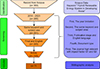 |
Figure 3 Schematic illustration of the accomplished literature surveying methodology. |
2.3 VOSviewer
VOSviewer was originally introduced in a paper published in Scientometrics in 2010 [43]. The Vosviewer application can be downloaded on the following page https://www.vosviewer.com/download. VOSviewer is a specialized software that is specifically created to construct and display bibliometric networks. It aids in analyzing the scientific landscape, particularly in regard to publications, journals, and co-authorship connections.
A bibliometric network might demonstrate relationships between the most cited authors, collaboration among authors coordination between countries, organizations, keywords, and topic knowledge [44]. Additionally, VOSviewer provides text-mining capabilities that enable the construction and visualization of networks or flows of literacy mapping from various sources. Some uses of this application include platform research [45], Technological pedagogical content knowledge in Chemistry education [46] and sustainable energy research trends [47].
2.4 Biblioshiny (R-tool software)
Bibliometrix, an open-source tool for quantitative research in the fields of scientometrics and bibliometrics, has been developed by Massimo Aria and Corrado Cuccurullo. This tool encompasses a comprehensive range of bibliometric techniques for analysis. This application can be downloaded on the page https://www.bibliometrix.org/home/.
Biblioshiny is an open-source application capable of importing data from many sources like Scopus and Web of Science, and offering a range of bibliometric analysis options [48]. Bibliometrix is a R utility for performing extensive science mapping analysis. This application is intended to simplify the complicated science mapping process and give detailed analysis of research streams [48]. This application has been widely used in various fields of health research [49–51], social [52, 53], business and management [54].
3 Result and analysis
3.1 Descriptive of publications
Table 1 shows that 71 articles have been released in 23 reputable international journals in quartile 1 and quartile 2. A total of 283 people has contributed to this work, with an average of 4.15 writers per document. Publications concerning renewable energy hybrid systems in developing regions encounter an annual growth rate of 9.43%. Table 2 lists the 71 most referenced Scopus publications on hybrid renewable energy systems in developing countries. Future researchers can gain insight from the retrieved data.
Key data retrieved from the database.
The top 71 most cited article in field of hybrid renewable energy systems in developing areas.
Figure 5 illustrates the significant quantity of papers generated annually from 2014 to 2023. The number of publications has consistently risen throughout the years, reaching its peak in 2022 with 16 pieces. As of December 8, 2023, there have been 9 articles published in 2023. This tendency is also observed in the number of citations received in each article and the number of citations received per year.
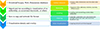 |
Figure 5 Article and citation growth from 2014 to 2023. |
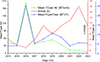 |
Figure 4 Steps to use VOSviewer and biblioshiny. |
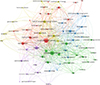 |
Figure 6 Keyword co-occurrence network map. |
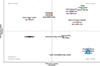 |
Figure 7 Thematic map. |
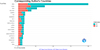 |
Figure 8 Publications per country using SCP and MCP parameters. |
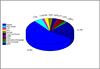 |
Figure 9 Number of articles according to publisher. |
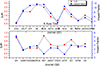 |
Figure 10 SJR and Impact Factor of article. |
 |
Figure 11 Density map of publications in different countries. |
 |
Figure 12 The collaboration network of authors with 35 countries. |
3.2 Keywords
Figure 6 shows a network visualization map with colored nodes for labels. Frequency of use affects node size. Product label size correlates with usage frequency. The size of segments and connecting lines indicates label co-occurrence frequency. Nodes of the same hue correlate more. Co-occurrence of keywords Network analysis is an effective way to visualize and comprehend scientific trends and problems over time. This map of patterns is concise and easy to read. Co-occurrence analysis shows a framework’s conceptual organization or condenses it into a bibliography. Utilizing co-occurrence networks to visualize and cluster keyword phrases does this.
The keyboard is partitioned into five distinct clusters, as illustrated in Figure 6. Each cluster is designated by aunique color. A total of 1222 keywords were examined to generate a co-occurrence network. Keywords that appear no less than five times in the publication under consideration. Clusters are established on the basis of thematic coherence, which is determined by the total number of connections that exist between specific keywords.
The categorization of terms is displayed in Table 3, based on clusters, occurrences, overall link strength, average annual publication, and average normal citations. Table 3 shows the publication year and average normalized citation value to assess if research is trending or falling. Cluster 1 is the largest, with the keyword that appears most frequently being rural electrification followed by optimization. In clusters 2, 3, 4, and 5, renewable energy (68), hybrid renewable energy system (28), net present cost (24), and homer (42).
The most popular keywords in HRES in developing areas.
Scientific mapping uses themed maps to show a study domain’s conceptual structure (Fig. 7). The horizontal (centrality) and vertical (density) axes split the thematic map into four quadrants: quadrant 1 (basic themes), quadrant II (Motor Themes), quadrant III (Niche Themes), and quadrant IV (Emerging or Declining Themes). Quadrant I has strong centrality and low intensity, addressing the field’s key issues and intersecting with allied disciplines. Quadrant II has lesser centrality and intensity, indicating underdeveloped or irrelevant issues. Quadrant III has higher centrality and density values, indicating a well-developed motor theme relevant to domain conceptual frameworks. Quadrant IV is a specific area since the issue is well-developed but outside the scope. Motor themes are extensively researched and developed subjects. Themes that are highly developed and isolated occupy a moderate level of density, yet they lack centrality and are regarded as peripheral. The concepts of emergence and decline are underdeveloped and marginal. Simultaneously, fundamental and transverse concerns arise due to inadequate density. Most scientific studies and citations on “hybrid microgrids, solar PV, and diesel generator” belong to keywords in the motor theme group. High centrality and low density characterize hybrid power systems and load demand, two advanced but specialist subjects. The keywords in this group have been more productive in the past, but their relevance has declined. Renewable energy, rural electrification, and optimization are basic themes with a great deal of density but weak centrality. Keywords in the following category have a low inherent connectivity.
3.3 The most influential publications
Table 4 exhibits the ten articles that received the most citations in the past five years, along with the overall number of citations per year. The first article by Bagheri M, followed by Jahangir MH, with numbers of citations 103 and 88, respectively. Annual citation counts alter due to research focus and renewable energy technology advances.
Top ten articles based on highest citation in 2019–2023.
According to the values of h-index, TC, NP, and PYstart in Table 5, the journal Energies is the top publisher in the field of renewable energy hybrid systems. During the period from 2014 to 2023, the Applied Energy and Energy Conversion and Management journals were the pioneers in publishing publications on hybrid renewable energy. These articles were selected from a pool of 15 prestigious journals. Journals ranked in positions 1–7 are classified as Q1 journals, indicating that they have a higher quality compared to journals in other quartiles when considering the h-index.
Top 15 journals, the number of documents, published articles, citations, and impact factor.
3.4 Authors and co-authorship
Table 6 presents the most prolific authors with two or more articles, country of origin, current institution, number of articles, the current number of citations, h-index, and the position of the author’s list. Senjyu T holds the record for the most citations among authors, with 3 works affiliated with the University of the Ryukyus in Japan. Italy has the most authors, with a total of 4, who have contributed 8 pieces. Spain follows closely behind with 2 authors who have written 4 articles.
Top 10 prolific writers with 2+ articles.
Using the SCP (single country publications) and MCP (multiple country publications) criteria, Figure 8 presents the collaboration map for research papers on topics related to hybrid renewable energy systems in developing areas. Though China has more MCP articles, India has more SCP articles. From what we can tell, Chinese authors collaborate more than any other country.
3.5 Highly productive publisher
Figure 9 presents a comprehensive visual representation of the highly referenced papers chosen from the Scopus database, which were published by various publishers. Elsevier was the most prolific publisher, responsible for 54.93% of the total 71 papers. Following closely behind was MDPI, with a contribution of 21.13%. Figure 10 illustrates the frequency of articles published in various journals categorized as quartile 1 and quartile 2, together with their corresponding impact factor and scimago journal rank (SJR) values
3.6 Countries and collaboration
Based on Table 7, India has the most documents (12) with 351 citations. The United States, China, and Iran consistently have the highest number of publications in energy and engineering bibliometric research; therefore, this is significant. Iran follows with 7 articles (276 citations), China, Spain, and Italy with 4 articles and 130, 128, 92 citations, respectively.
The top 10 Countries with the most articles and citations.
Countries’ research production is directly related to publication numbers. Figure 11 depicts the geographic trend of highly productive countries using publication density maps. The survey included 89 countries, with blue tints representing publication numbers. Darker blue-green indicates more publications in the country. According to the figures presented in Figure 11, India exhibits the highest level of productivity, with a total of 122 publications, whilst China ranks second with 46 publications. Iran, Malaysia, and the USA have 41, 33, and 25 publications, respectively. Typically, scholarly publications tend to be concentrated in the regions of Asia and America.
A global collaboration network is illustrated in Figure 12. Countries are represented by nodes, and the presence of a link between two nodes signifies that the two nations have collaborated on publications. A greater number of pertinent research papers are published in the correspondence between two nations, as the node size increases. Furthermore, centrality increases with circle size. Five nations with the greatest level of centrality are India, China, Iran, Malaysia, and the United States, as demonstrated. This shows that substantial interaction and collaboration have occurred between these nations.
3.7 Most productive institutions
Table 8 displays the top 15 institutions that have produced the most number of articles on hybrid renewable energy systems in developing regions. These institutions have accounted for 90 publications, which represent 60.81% of the total. Among these institutions, there were three representatives from Italy and two representatives from Malaysia and Iran. Based on total article production, Italy has 15 articles, Malaysia and Iran have 14 articles each, followed by Japan with 11 articles, Korea with 7 articles, and Pakistan with 6 articles. Meanwhile, countries like Mexico, United States, Oman and Morocco each have 4 articles.
Top 15 productive institutions in HYRES research.
4 Conclusion
Renewable energy sources like fuel cells, wind, solar, biomass, hydro, and others can meet future energy needs. Renewable energy can be hybridized. In developing countries, renewable energy hybrid systems are used when power grid expansion is unaffordable. Hybrid renewable energy systems are reliable and environmentally friendly, especially when fossil fuel sources decline. Recently, hybrid renewable energy systems have emerged as a new concept that needs further study. The fast advancement of renewable energy technology, the opening of new energy markets, and financial strategies and rules all help create clean, long-lasting mixed renewable energy systems. Their number has climbed to several dozen per year. This report examines growing region hybrid renewable energy hybrid system research from 2014 to 2023. VOSviewer, Rstudio Biblioshiny, and Excel will help with bibliometric analysis. The analysis focuses on publication numbers, authors with the highest productivity, citation counts, productivity by country, collaboration between countries and authors, hybrid renewable energy systems (HRES) journals, and HRES thematic evolution. Following Scopus statistics, 353 entries were found on this topic. Keyword screening, subject area relevance, publishing stage, English language, and high-impact journals (Q1 and Q2) yielded 71 papers for study. Both total and average article citations rise annually. Japanese University of the Ryukyus professor Senjyu T writes prolifically. They have the most articles and citations among 283 authors. Elsevier published 54.93% of the 71 papers, followed by MDPI with 21.13%. Applied Energy and Energy Conversion and Management pioneered hybrid renewable energy papers in 15 key journals from 2014 to 2023. India has the most documents, 12, with 351 citations. Second with 7 documents is Iran, followed by China, Spain, and Italy with 4. Italy produces the most articles (15). Malaysia has 14, Iran 14, and Japan 11. Pakistan has 6 articles, and Korea has 7. This bibliometric study found relationships between author keywords, showing the growth of hybrid renewable energy system subtopics in developing regions. There are several trending keywords that can give empirical researchers an overview of topics, including “rural electrification, optimization, renewable energy, microgrid, solar energy, hybrid renewable energy system, techno-economic analysis, sensitivity analysis, cost of energy, and Homer”. The study proposed in this paper guides researchers to identify hybrid renewable energy system patterns with a source of information tailored to their interests.
Funding
Financial support provided by the Center for Higher Education Funding (BPPT) and Indonesia Endowment Fund for Education (LPDP) on decree no 01283/J5.2.3./BPI.06/9/2022 is greatly appreciated.
Conflicts of interest
The authors declare no conflict of interest.
Data availability statement
Data will be made available on request.
Author contribution statement
Conceptualizations, EKB.; methodology, EKB. and FDW.; software, EKB and FDW.; validation, EKB., FDW., HRA. and JCV.; formal analysis, EKB., FDW. and HRA.; investigation, EKB. and FDW.; data curation, EKB. and FDW.; writing, EKB., FDW. and HRA.; original draft preparation, EKB., and HRA.; writing-review and editing, EKB., FDW., HRA., JCV.; visualization, supervision, FDW. All authors have read and agreed to the published version of the manuscript.
References
- IEA international, energy agency (2023) World energy outlook. https://www.iea.org/reports/world-energy-outlook-2023 [Google Scholar]
- Environmental And Public Health JO (2023) Retracted: Relationship between economic growth and energy consumption from the perspective of sustainable development, J. Environ. Public Health, 9847034. https://doi.org/10.1155/2023/9847034 [Google Scholar]
- UNSD, IEA. (2023) The energy progress report 2023. Iea, pp. 158–177. https://unstats.un.org/unsd/energystats/pubs/documents/sdg_7_2023.pdf [Google Scholar]
- Deshmukh M.K.G., Sameeroddin M., Abdul D., Sattar M.A. (2023) Renewable energy in the 21st century: A review. Mater Today Proc., 80, 1756–1759. https://doi.org/10.1016/j.matpr.2021.05.501 [Google Scholar]
- Tan Y., Meegahapola L., Muttaqi K.M. (2014) A review of technical challenges in planning and operation of remote area power supply systems. Renew Sust Energ. Rev., 38, 876–889. https://doi.org/10.1016/j.rser.2014.07.034 [Google Scholar]
- Noor M., Khan D., Khan A., Rasheed N. (2023) The impact of renewable and non-renewable energy on sustainable development in South Asia. Environ. Dev. Sustain., 1–18. [Google Scholar]
- Dietz T., Shwom R.L., Whitley C.T. (2020) Climate change and society. Annu. Rev. Sociol, 46, 135–158. [Google Scholar]
- Bentivegna V., Brandon P.S., Lombardi P. (2003) Evaluation of the built environment for sustainability. Taylor & Francis. [Google Scholar]
- Berberi P. (2022) An overview of global renewable energy resources 2021: Potentials, capacities, technologies and economics.March https://www.researchgate.net/publication/359438327_An_overview_of_global_renewable_energy_resources_2021_Potentials_capacities_technologies_and_economics. [Google Scholar]
- Pham M.T., Le N.V.L., Le H.C., Truong T.H., Cao D.N., et al. (2023) A comprehensive review on the use of biodiesel for diesel engines. Int. J. Renew Energ. Dev., 12, 4, 720–740. [Google Scholar]
- Hashemi-Nejhad A., Najafi B., Ardabili S., Jafari G., Mosavi A. (2023) The effect of biodiesel, ethanol, and water on the performance and emissions of a dual-Fuel diesel engine with natural gas: Sustainable energy production through a life cycle assessment approach, Int. J. Energy. Res. [Google Scholar]
- Pan L., Biru A., Lettu S. (2021) Energy poverty and public health: Global evidence, Energy Econ., 101, 105423. [Google Scholar]
- Zhao J., Dong K., Dong X., Shahbaz M. (2022) How renewable energy alleviate energy poverty? A global analysis Renewable Energy, 186, 299–311. [Google Scholar]
- Ravestein P., Van der Schrier G., Haarsma R., Scheele R., Van den Broek M (2018) Vulnerability of European intermittent renewable energy supply to climate change and climate variability, Renewable Sustain. Energy Rev., 97, 497–508. [Google Scholar]
- Pommeret A., Schubert K. (2022) Optimal energy transition with variable and intermittent renewable electricity generation, J. Econ. Dyn. Control, 134, 104273. [Google Scholar]
- Pandiyan P., Sitharthan R., Saravanan S., Prabaharan N., Tiwari M.R., Chinnadurai T., Yuvaraj T., Devabalaji K.R. (2022) A comprehensive review of the prospects for rural electrification using stand-alone and hybrid energy technologies, Sustainable Energy Technol. Assess., 52, 102155. [Google Scholar]
- Shahzad M.K., Zahid A., ur Rashid T., Rehan M.A., Ali M., Ahmad M. (2017) Techno-economic feasibility analysis of a solar-biomass off grid system for the electrification of remote rural areas in Pakistan using HOMER software, Renewable Energy, 106, 264–273. [Google Scholar]
- Manzoor A., Akram W., Judge M.A., Khan N., Khattak H.A. (2024) Efficient economic energy scheduling in smart cities using distributed energy resources, Sci. Technol. Energy Transit, 79, 29. [Google Scholar]
- Bhandari B., Lee K.T., Lee G.Y., Cho Y.M., Ahn S.H. (2015) Optimization of hybrid renewable energy power systems: A review, Int. J. Precis Eng. Manuf-Green Technol., 2, 99–112. [Google Scholar]
- Johannesen N.J., Kolhe M.L., Jacobsen A.D. (2023) Correlation analysis of potential solar photovoltaic power plant integration at wind farm with grid connection limits, in: Proc. 2023 8th Int Conf on Smart Sustain Technol (SpliTech), IEEE, pp.1–6. [Google Scholar]
- Ogunjuyigbe A.S.O., Ayodele T.R., Akinola O.A. (2016) Optimal allocation and sizing of PV/Wind/Split-diesel/Battery hybrid energy system for minimizing life cycle cost, carbon emission and dump energy of remote residential building, Appl. Energy, 171, 153–171. [Google Scholar]
- Sambhi S, Sharma H, Bhadoria V, Kumar P, Chaurasia R, Fotis G, Vita V (2023) Technical and economic analysis of solar PV/diesel generator smart hybrid power plant using different battery storage technologies for SRM IST, Delhi-NCR campus, Sustainability, 15(4), 3666. [Google Scholar]
- Mulenga E., Kabanshi A., Mupeta H., Ndiaye M., Nyirenda E., Mulenga K. (2023) Techno-economic analysis of off-grid PV-diesel power generation system for rural electrification: A case study of Chilubi district in Zambia, Renewable Energy, 203, 601–611. [Google Scholar]
- Adebisi J., Ibili P., Emezirinwune M., Abdulsalam K. (2023) Comparative study of hybrid solar photovoltaic-diesel power supply system, Afr. J. Inter/Multidisciplinary Stud. 5, 1, 1–15. [Google Scholar]
- Muhammad S., Ali T., Khan Y., Shafiullah M. (2023) Application of dynamic programming for optimal hybrid energy management system: Hydro-photovoltaic-diesel-BESS, IEEE Access. [Google Scholar]
- Luthfi A., Fahreza R. (2021) Cost of energy sensitivity analysis of PV/diesel with hydro pumped storage for mentawai microgrid system, in: 2021 IEEE 4th International Conference on Computing, Power and Communication Technologies (GUCON), IEEE, pp. 1–5. [Google Scholar]
- Bhimaraju A., Mahesh A., Nirbheram J.S. (2023) Feasibility study of solar photovoltaic/grid-connected hybrid renewable energy system with pumped storage hydropower system using abandoned open cast coal mine: A case study in India, J. Energy Storage, 72, 108206. [Google Scholar]
- Mishra S., Harish V.S.K.V., Saini G. (2023) Developing design topologies and strategies for the integration of floating solar, hydro, and pumped hydro storage system, Sustainable Cities Soc. 95, 104609. [Google Scholar]
- Syahputra R, Soesanti I. (2020) Planning of hybrid micro-hydro and solar photovoltaic systems for rural areas of central Java Indonesia, J. Electr. Comput. Eng. [Google Scholar]
- Chebabhi A., Tegani I., Benhamadouche A.D., Kraa O. (2023) Optimal design and sizing of renewable energies in microgrids based on financial considerations: A case study of Biskra, Algeria, Energy Convers. Manage. 291, 117270. [Google Scholar]
- Abbaspour A., Jahed A., Ahmadi A. (2023) Techno-economic analysis of PV-wind-diesel-battery hybrid power systems for industrial towns under different climates in Spain, Energy Sci. Eng. 11, 8, 2831–2850. [Google Scholar]
- Aisyah S., Aditya I.A., Syamsudin A. (2020) Optimum hybrid renewable energy system design using HOMER: Case study Biaro Island, Indonesia, in: AIP Conference Proceedings, 2255, 1, AIP Publishing. [Google Scholar]
- Adetoro S.A., Nwohu M.N., Olatomiwa L. (2022) Techno-economic analysis of hybrid energy system connected to an unreliable grid: a case study of a rural community in: Nigeria, in: 2022 IEEE Nigeria 4th International Conference on Disruptive Technologies for Sustainable Development (NIGERCON), IEEE, pp. 1–5 [Google Scholar]
- Koffi J.Y., Sako K.M., Koua B.K., Koffi P.M.E., Nguessan Y., Diango A.K. (2022) Study and optimization of a hybrid power generation system to power kalakala, a remote locality in Northern Côte d’Ivoire, Int. J. Renewable Energy Dev. 11, 1. [Google Scholar]
- Hassane A.I., Didane D.H., Tahir A.M., Mouangue R.M., Tamba J.G., Hauglustaine J.M. (2022) Comparative analysis of hybrid renewable energy systems for off-grid applications in Chad, Int. J. Renewable Energy Dev. 11, 1, 49. [Google Scholar]
- Bousquet C., Samora I., Manso P., Rossi L., Heller P., Schleiss A.J. (2017) Assessment of hydropower potential in wastewater systems and application to Switzerland, Renewable Energy, 113, 64–73. [Google Scholar]
- Malik P, Awasthi M, Sinha S (2022) A techno-economic investigation of grid integrated hybrid renewable energy systems, Sustainable Energy Technol. Assess. 51, 101976. [Google Scholar]
- Eze F., Ogola J., Kivindu R., Egbo M., Obi C. (2022) Technical and economic feasibility assessment of hybrid renewable energy system at Kenyan institutional building: A case study, Sustainable Energy Technol. Assess. 51, 101939. [Google Scholar]
- Aziz A.S., Tajuddin M.F.N., Adzman M.R., Mohammed M.F., Ramli M.A. (2020) Feasibility analysis of grid-connected and islanded operation of a solar PV microgrid system: A case study of Iraq, Energy, 191, 116591. [Google Scholar]
- Cobo M.J., Martínez M.A., Gutiérrez-Salcedo M., Fujita H., Herrera-Viedma E. (2015) 25 years at knowledge-based systems: a bibliometric analysis, Knowledge-Based Syst. 80, 3–13. [Google Scholar]
- Mingers J., Leydesdorff L. (2015) A review of theory and practice in scientometrics, European J. Oper. Res. 246, 1, 1–19. [Google Scholar]
- Iwami S., Ojala A., Watanabe C., Neittaanmäki P. (2020) A bibliometric approach to finding fields that co-evolved with information technology, Scientometrics, 122, 1, 3–21. [Google Scholar]
- Van Eck N., Waltman L. (2010) Software survey: VOSviewer, a computer program for bibliometric mapping, Scientometrics, 84, 2, 523–538. [CrossRef] [PubMed] [Google Scholar]
- Hoppen N.H.F., Vanz S.A.S. (2016) Neurosciences in Brazil: a bibliometric study of main characteristics, collaboration and citations, Scientometrics, 109, 1, 121–141. [Google Scholar]
- Ding X, Yang Z (2022) Knowledge mapping of platform research: a visual analysis using VOSviewer and CiteSpace, Electronic Commerce Res. 1–23. [Google Scholar]
- Marlina M., Rahim A., Ria R.R.P., Hadi H.S. (2023) Technological pedagogical Content knowledge in chemistry education: A review and bibliometric analysis using VOSviewer and RStudio applications, Moroccan J. Chem. 11, 3, 11–3. [Google Scholar]
- Kemeç A., Altınay A.T. (2023) Sustainable energy research trend: A bibliometric analysis using VOSviewer, RStudio bibliometrix, and citespace software tools, Sustainability, 15, 4, 3618. [Google Scholar]
- Aria M, Cuccurullo C (2017) Bibliometrix: An R-tool for comprehensive science mapping analysis, J. Informetrics, 11, 4, 959–975. [Google Scholar]
- D'Aniello L., Spano M., Cuccurullo C., Aria M. (2022) Academic health centers’ configurations, scientific productivity, and impact: Insights from the Italian setting, Health Policy, 126, 12, 1317–1323. [Google Scholar]
- Belfiore A., Cuccurullo C., Aria M. (2022) IoT in healthcare: A scientometric analysis, Technol. Forecasting Social Change, 184, 122001. [Google Scholar]
- Belfiore A., Scaletti A., Lavorato D., Cuccurullo C. (2023) The long process by which HTA became a paradigm: A longitudinal conceptual structure analysis, Health Policy, 127, 74–79. [Google Scholar]
- Aria M., Cuccurullo C., D’Aniello L., Misuraca M., Spano M. (2022) Thematic analysis as a new culturomic tool: the social media coverage on COVID-19 pandemic in Italy, Sustainability, 14, 6, 3643. [Google Scholar]
- Aria M., Misuraca M., Spano M. (2020) Mapping the evolution of social research and data science on 30 years of social indicators research, Social Indic. Res. 149, 803–831. [Google Scholar]
- Cuccurullo C., Aria M., Sarto F. (2016) Foundations and trends in performance management. A twenty-five years bibliometric analysis in business and public administration domains. Scientometrics, 108, 595–611. [CrossRef] [Google Scholar]
- Shezan S.K.A., Julai S., Kibria M.A., Ullah K.R., Saidur R., Chong W.T., Akikur R.K. (2016) Performance analysis of an off-grid wind-PV (photovoltaic)-diesel-battery hybrid energy system feasible for remote areas, J. Clean. Prod. 125, 121–132. [Google Scholar]
- Bagheri M., Delbari S.H., Pakzadmanesh M., Kennedy C.A. (2019) City-integrated renewable energy design for low-carbon and climate-resilient communities, Appl. Energy, 239, 1212–1225. [Google Scholar]
- Jahangir M.H., Cheraghi R. (2020) Economic and environmental assessment of solar-wind-biomass hybrid renewable energy system supplying rural settlement load, Sustainable Energy Technol. Assess. 42, 100895. [Google Scholar]
- Islam M.S., Akhter R., Rahman M.A. (2018) A thorough investigation on hybrid application of biomass gasifier and PV resources to meet energy needs for a northern rural off-grid region of Bangladesh: A potential solution to replicate in rural off-grid areas or not?, Energy, 145, 338–355. [Google Scholar]
- Kumar U.S., Manoharan P.S. (2014) Economic analysis of hybrid power systems (PV/diesel) in different climatic zones of Tamil Nadu, Energy Convers. Manage. 80, 469–476. [Google Scholar]
- Kumar A., Singh A.R., Deng Y., He X., Kumar P., Bansal R.C. (2018) A novel methodological framework for the design of sustainable rural microgrid for developing nations, IEEE Access, 6, 24925–24951. [Google Scholar]
- Armin Razmjoo A., Sumper A., Davarpanah A. (2020) Energy sustainability analysis based on SDGs for developing countries, Energy Sources, Part A: Recovery, Util, Environ. Effects, 42, 9, 1041–1056. [Google Scholar]
- Adaramola M.S., Quansah D.A., Agelin-Chaab M., Paul S.S. (2017) Multipurpose renewable energy resources based hybrid energy system for remote community in northern Ghana, Sustainable Energy Technol. Assess. 22, 161–170. [Google Scholar]
- Ayodele E., Misra S., Damasevicius R., Maskeliunas R. (2019) Hybrid microgrid for microfinance institutions in rural areas – A field demonstration in West Africa. Sustainable Energy Technol. Assess. 35, 89–97. [Google Scholar]
- Chowdhury S.A., Aziz S., Groh S., Kirchhoff H., Leal Filho W. (2015) Off-grid rural area electrification through solar-diesel hybrid minigrids in Bangladesh: Resource-efficient design principles in practice, J. Clean. Prod. 95, 194–202. [Google Scholar]
- Kumar R., Channi H.K. (2022) A PV-Biomass off-grid hybrid renewable energy system (HRES) for rural electrification: Design, optimization and techno-economic-environmental analysis, J. Clean. Prod. 349, 131347. [Google Scholar]
- Razmjoo A., Davarpanah A. (2019) Developing various hybrid energy systems for residential application as an appropriate and reliable way to achieve energy sustainability, Energy Sources, Part A: Recovery, Util., Environ. Effects, 41, 10, 1180–1193. [Google Scholar]
- Aaldering L.J., Leker J., Song C.H. (2019) Competition or collaboration? – Analysis of technological knowledge ecosystem within the field of alternative powertrain systems: A patent-based approach, J. Clean. Prod. 212, 362–371. [Google Scholar]
- Kaur M., Dhundhara S., Verma Y.P., Chauhan S. (2020) Techno-economic analysis of photovoltaic-biomass-based microgrid system for reliable rural electrification, Int. Trans. Electr. Energy Syst. 30, 5, e12347. [Google Scholar]
- Shezan S.K.A., Al-Mamoon A., Ping H.W. (2018) Performance investigation of an advanced hybrid renewable energy system in Indonesia, Environ. Prog. Sustainable Energy, 37, 4, 1424–1432. [Google Scholar]
- Balderrama S., Lombardi F., Riva F., Canedo W., Colombo E., Quoilin S. (2019) A two-stage linear programming optimization framework for isolated hybrid microgrids in a rural context: The case study of the “El Espino” community, Energy, 188, 116073. [Google Scholar]
- López-González A., Domenech B., Ferrer-Martí L. (2018) Sustainability and design assessment of rural hybrid microgrids in Venezuela, Energy, 159, 229–242. [Google Scholar]
- Lata-García J., Jurado F., Fernández-Ramírez L.M., Sánchez-Sainz H. (2018) Optimal hydrokinetic turbine location and techno-economic analysis of a hybrid system based on photovoltaic/hydrokinetic/hydrogen/battery, Energy, 159, 611–620. [Google Scholar]
- Micangeli A., Del Citto R., Kiva I.N., Santori S.G., Gambino V., Kiplagat J., Viganò D., Fioriti D., Poli D. (2017) Energy production analysis and optimization of mini-grid in remote areas: the case study of Habaswe in Kenya, Energies, 10, 12, 2041. [Google Scholar]
- Kirmani S., Jamil M., Akhtar I. (2018) Economic feasibility of hybrid energy generation with reduced carbon emission, IET Renewable Power Gener. 12, 8, 934–942. [Google Scholar]
- Edwin M., Sekhar S.J. (2014) Techno-economic studies on hybrid energy based cooling system for milk preservation in isolated regions, Energy Convers. Manage. 86, 1023–1030. [Google Scholar]
- Fioriti D., Giglioli R., Poli D., Lutzemberger G., Micangeli A., Del Citto R., Perez-Arriaga I., Duenas-Martinez P. (2018) Stochastic sizing of isolated rural mini-grids, including effects of fuel procurement and operational strategies, Electr. Power Syst. Res. 160, 419–428. [CrossRef] [Google Scholar]
- Li Y., Willman L. (2014) Feasibility analysis of offshore renewables penetrating local energy systems in remote oceanic areas – a case study of emissions from an electricity system with tidal power in Southern Alaska, Appl. Energy, 117, 42–53. [Google Scholar]
- Arefin S.S., Das N. (2017) Optimized hybrid wind-diesel energy system with feasibility analysis, Technol. Econ. Smart Grids Sustainable Energy, 2, 1–8. [Google Scholar]
- Naeini M.A., Zandieh M., Najafi S.E., Sajadi S.M. (2020) Analyzing the development of the third-generation biodiesel production from microalgae by a novel hybrid decision-making method: The case of Iran, Energy, 195, 116895. [Google Scholar]
- García-Vera Y.E., Dufo-López R., Bernal-Agustín J.L. (2020) Optimization of isolated hybrid microgrids with renewable energy based on different battery models and technologies, Energies, 13, 3, 581. [Google Scholar]
- Apichonnabutr W., Tiwary A. (2018) Trade-offs between economic and environmental performance of an autonomous hybrid energy system using micro hydro, Appl. Energy, 226, 891–904. [Google Scholar]
- Faessler B. (2021) Stationary, second use battery energy storage systems and their applications: A research review, Energies, 14, 8, 2335. [Google Scholar]
- Shafiullah G.M., Masola T., Samu R., Elavarasan R.M., Begum S., Subramaniam U., Romlie M.F., Chowdhury M., Arif M.T. (2021) Prospects of hybrid renewable energy-based power system: a case study, post analysis of Chipendeke Micro-Hydro, Zimbabwe, IEEE Access, 9, 73433–73452. [Google Scholar]
- Talaat M., Elgarhy A., Elkholy M.H., Farahat M.A. (2021) Integration of fuel cells into an off-grid hybrid system using wave and solar energy, Int. J. Electr. Power Energy Syst. 130, 106939. [Google Scholar]
- Al-Ghussain L., Abujubbeh M., Darwish A.A., Abubaker A.M., Taylan O., Fahrioglu M., Akafuah N.K. (2020) 100% renewable energy grid for rural electrification of remote areas: A case study in Jordan, Energies, 13, 18, 4908. [Google Scholar]
- Khan M.A., Zeb K., Sathishkumar P., Himanshu, Rao S.S., Gopi C.V.V.M., Kim H.J. (2018) A novel off-grid optimal hybrid energy system for rural electrification of Tanzania using a closed loop cooled solar system, Energies, 11, 4, 905. [Google Scholar]
- Edwin M., Sekhar S.J. (2015) Thermal performance of milk chilling units in remote villages working with the combination of biomass, biogas and solar energies, Energy, 91, 842–851. [Google Scholar]
- Goswami A., Sadhu P., Sadhu P.K. (2020) Development of a grid connected solar-wind hybrid system with reduction in levelized tariff for a remote island in India, J. Solar Energy Eng. 142, 4, 044501. [Google Scholar]
- Rad M.A.V., Vaghar M.P., Kouravand A., Bellos E., Kasaeian A. (2022) Techno-economic evaluation of stand-alone energy supply to a health clinic considering pandemic diseases (COVID-19) challenge, Sustainable Energy Technol. Assess. 51, 101909. [Google Scholar]
- Islam M.R., Akter H., Howlader H.O.R., Senjyu T. (2022) Optimal sizing and techno-economic analysis of grid-independent hybrid energy system for sustained rural electrification in developing countries: A case study in Bangladesh, Energies, 15, 17, 6381. [Google Scholar]
- Belboul Z., Toual B., Kouzou A., Mokrani L., Bensalem A., Kennel R., Abdelrahem M. (2022) Multiobjective optimization of a hybrid PV/wind/battery/diesel generator system integrated in microgrid: A case study in Djelfa, Algeria, Energies, 15, 10, 3579. [Google Scholar]
- Tang S., Jiang M., Abbassi R., Jerbi H. (2021) A cost-oriented resource scheduling of a solar-powered microgrid by using the hybrid crow and pattern search algorithm, J. Clean. Prod. 313, 127853. [Google Scholar]
- Shahverdian M.H., Sohani A., Sayyaadi H. (2022) A 3E water energy nexus based optimum design for a hybrid PV-PEMFC electricity production systems for off-grid applications, Energy Convers. Manage. 267, 115911. [Google Scholar]
- Tiwari P., Manas M., Jan P., Nemec Z., Dolecek R., Mahanta P., Trivedi G. (2017) A review on microgrid based on hybrid renewable energy sources in South-Asian perspective, Technol. Econ. Smart Grids Sustainable Energy, 2, 1–16. [Google Scholar]
- Tarife R., Nakanishi Y., Chen Y., Zhou Y., Estoperez N., Tahud A. (2022) Optimization of hybrid renewable energy microgrid for rural agricultural area in Southern Philippines, Energies, 15, 6, 2251. [Google Scholar]
- Klintenberg P., Wallin F., Azimoh L.C. (2014) Successful technology transfer: What does it take?, Appl. Energy, 130, 807–813. [Google Scholar]
- Román V.B., Baños G.A., Solís C.A., Flota-Bañuelos M.I., Rivero M., Soberanis M.A. (2022) Comparative study on the cost of hybrid energy and energy storage systems in remote rural communities near Yucatan, Mexico, Appl. Energy, 308, 118334. [Google Scholar]
- Demirci A., Öztürk Z., Tercan S.M. (2023) Decision-making between hybrid renewable energy configurations and grid extension in rural areas for different climate zones, Energy, 262, 125402. [Google Scholar]
- Mishra S., Saini G., Chauhan A., Upadhyay S., Balakrishnan D. (2023) Optimal sizing and assessment of grid-tied hybrid renewable energy system for electrification of rural site, Renewable Energy Focus, 44, 259–276. [Google Scholar]
- García-Vera Y.E., Dufo-López R., Bernal-Agustín J.L. (2020) Techno-economic feasibility analysis through optimization strategies and load shifting in isolated hybrid microgrids with renewable energy for the non-interconnected zone (NIZ) of Colombia, Energies, 13, 22, 6146. [Google Scholar]
- Calise F., Cappiello F.L., Cimmino L., Dentice d’Accadia M., Vicidomini M. (2021) Dynamic simulation and thermoeconomic analysis of a hybrid renewable system based on PV and fuel cell coupled with hydrogen storage, Energies, 14, 22, 7657. [Google Scholar]
- Bilal M., Ahmad F., Rizwan M. (2023) Techno-economic assessment of grid and renewable powered electric vehicle charging stations in India using a modified metaheuristic technique, Energy Convers. Manage. 284, 116995. [Google Scholar]
- Anand P., Bath S.K., Rizwan M. (2019) Renewable energy-based hybrid model for rural electrification, Int. J. Energy Technol. Policy, 15, 1, 86–113. [Google Scholar]
- Safiullah S., Rahman A., Lone S.A., Hussain S.M.S., Ustun T.S. (2022) Robust frequency – voltage stabilization scheme for multi-area power systems incorporated with EVs and renewable generations using AI based modified disturbance rejection controller, Energy Rep. 8, 12186–12202. [Google Scholar]
- Fathollahzadeh M.H., Speake A., Tabares-Velasco P.C., Khademian Z., Fight L.L. (2021) Renewable energy analysis in indigenous communities using bottom-up demand prediction, Sustainable Cities Soc. 71, 102932. [Google Scholar]
- Gamil M.M., Lotfy M.E., Hemeida A.M., Mandal P., Takahashi H., Senjyu T. (2021) Optimal sizing of a residential microgrid in Egypt under deterministic and stochastic conditions with PV/WG/biomass Energy integration, AIMS Energy, 9, 3. [Google Scholar]
- Salem A.A., Eldesouky A.A., Farahat A.A., Abdelsalam AA (2021) New analysis framework of Lyapunov-based stability for hybrid wind farm equipped with FRT: A case study of Egyptian grid code, IEEE Access, 9, 80320–80339. [Google Scholar]
- Abadi M.K., Davoodi V., Deymi-Dashtebayaz M., Ebrahimi-Moghadam A. (2023) Determining the best scenario for providing electrical, cooling, and hot water consuming of a building with utilizing a novel wind/solar-based hybrid system, Energy, 273, 127239. [Google Scholar]
- Safari M.A.M., Masseran N., Jedi A., Mat S., Sopian K., Bin Abdul Rahim A., Zaharim A. (2020) Rural public acceptance of wind and solar energy: a case study from Mersing Malaysia, Energies, 13, 15, 3855. [Google Scholar]
- Shen Y., Yang H. (2022) Achieving reduced emission and enhanced air quality by designing a solar-driven indoor CO2 capture system, J. Clean Prod., 379, 134869. [Google Scholar]
- Konneh K.V., Masrur H., Konneh D.A., Senjyu T. (2022) Independent or complementary power system configuration: A decision making approach for sustainable electrification of an urban environment in Sierra Leone, Energy, 239, 122310. [Google Scholar]
- Tahir M..U.R, Amin A., Baig A.A., Manzoor S., Asgha M.A., Khawaja W.A.G. (2021) Design and optimization of grid Integrated hybrid on-site energy generation system for rural area in AJK-Pakistan using HOMER software, AIMS Energy, 9, 6. [Google Scholar]
- Sanjel N., Baral B. (2021) Modelling and analysis of decentralized energy systems with photovoltaic, micro-hydro, battery and diesel technology for remote areas of Nepal, Clean Energy, 5, 4, 690–703. [Google Scholar]
- Baldinelli A., Barelli L., Bidini G. (2021) Sustainable water-energy innovations for higher comfort of living in remote and rural areas from developing countries: From seawater to hydrogen through reversible solid oxide cells, J. Clean Prod., 321, 128846. [Google Scholar]
- Osman A.M., Alsokhiry F. (2022) Control design and performance evaluation of a grid connected PV--wind power system: a case study of Dongola, Sudan. Energy Rep. 8, 15629–15653. [Google Scholar]
- Beitelmal W.H., Okonkwo P.C., Al Housni F., Grami S., Emori W., Uzoma P.C., Das B.K. (2022) Renewable energy as a source of electricity for Murzuq health clinic during COVID-19, MRS Energy Sustainability, 9, 1, 79–93. [Google Scholar]
- El Hassani S., Charai M., Moussaoui M.A., Mezrhab A. (2023) Towards rural net-zero energy buildings through integration of photovoltaic systems within bio-based earth houses: Case study in Eastern Morocco, Solar Energy, 259, 15–29. [Google Scholar]
- Jacob E., Farzaneh H. (2022) Dynamic modeling and experimental validation of a standalone hybrid microgrid system in Fukuoka, Japan, Energy Convers.Manage. 274, 116462. [Google Scholar]
- Rangel N., Li H., Aristidou P. (2023) An optimisation tool for minimising fuel consumption, costs and emissions from diesel-PV-battery hybrid microgrids, Appl. Energy, 335, 120748. [Google Scholar]
- López-Prado J.L., González-Sánchez J.W., Vélez J.I., Garcia-Llinas G.A. (2022) Reliability assessment in rural distribution systems with microgrids: A computational-based approach, IEEE Access, 10, 43327–43340. [Google Scholar]
- Roshanzadeh B., Premer L.R., Mohan G. (2022) Developing an advanced PVT system for sustainable domestic hot water supply, Energies, 15, 7, 2346. [Google Scholar]
- Huang Y., Wang Q., Xu J. (2023) A Stackelberg-based biomass power trading game framework in hybrid-wind/solar/biomass system: From technological, economic, environmental and social perspectives, J. Clean Prod. 403, 136806. [Google Scholar]
- Olatomiwa L., Longe O.M., Abd’Azeez T.A., Ambafi J.G., Jack K.E., Sadiq A.A. (2023) Optimal planning and deployment of hybrid Renewable energy to rural healthcare facilities in Nigeria, Energies, 16, 21, 7259. [Google Scholar]
- Iweh C.D., Akupan E.R. (2023) Control and optimization of a hybrid solar PV – hydro power system for off-grid applications using particle swarm optimization (PSO) and differential evolution (DE), Energy Rep. 10, 4253–4270. [Google Scholar]
- Ali A., Fakhar M.S., Kashif S.A.R., Abbas G., Khan I.A., Rasool A., Ullah N. (2022) Optimal Scheduling of neural network-based estimated renewable energy nanogrid, Energies, 15, 23, 89. [Google Scholar]
All Tables
The top 71 most cited article in field of hybrid renewable energy systems in developing areas.
Top 15 journals, the number of documents, published articles, citations, and impact factor.
All Figures
|
Figure 1 Types of renewable energy sources. |
| In the text | |
|
Figure 2 Schematic diagram of the hybrid energy system. |
| In the text | |
|
Figure 3 Schematic illustration of the accomplished literature surveying methodology. |
| In the text | |
|
Figure 5 Article and citation growth from 2014 to 2023. |
| In the text | |
|
Figure 4 Steps to use VOSviewer and biblioshiny. |
| In the text | |
|
Figure 6 Keyword co-occurrence network map. |
| In the text | |
|
Figure 7 Thematic map. |
| In the text | |
|
Figure 8 Publications per country using SCP and MCP parameters. |
| In the text | |
|
Figure 9 Number of articles according to publisher. |
| In the text | |
|
Figure 10 SJR and Impact Factor of article. |
| In the text | |
|
Figure 11 Density map of publications in different countries. |
| In the text | |
|
Figure 12 The collaboration network of authors with 35 countries. |
| In the text | |
Current usage metrics show cumulative count of Article Views (full-text article views including HTML views, PDF and ePub downloads, according to the available data) and Abstracts Views on Vision4Press platform.
Data correspond to usage on the plateform after 2015. The current usage metrics is available 48-96 hours after online publication and is updated daily on week days.
Initial download of the metrics may take a while.